
Coverage can be subtle, complete, or somewhere between.
A widening part, reduced density, and more extensive loss call for different conversations. We help you compare the options without pressure.
Begin with what you are noticing.
Some women want to add volume over existing hair. Others want the security of full coverage or a customized integration system. We offer wigs, toppers and extensions, custom systems, and CRLAB CNC consultations.
We discuss color, density, attachment, comfort, and the work required to care for each option. Hair loss during medical treatment may require particular attention to timing and scalp comfort.
Compare wigs and toppers →Illustrative photograph.

Different levels of coverage
The right choice depends on where loss occurs and what you want from your everyday routine.
Toppers
Targeted volume and coverage over existing hair.
Learn more →Wigs
More complete coverage with options for style, fiber and fit.
Learn more →Custom systems
A personalized non-surgical approach to fit, density and hairline.
Learn more →When to bring in a medical professional
Hair loss can have many causes. If the change is sudden, patchy, painful, inflamed, or unexplained, seek a dermatologist’s evaluation to understand the cause. A cosmetic consultation can help with appearance, but it cannot diagnose a medical condition. Learn how dermatologists evaluate hair loss.
From a widening part to fuller coverage
Women can want anything from subtle density over existing hair to a full change in coverage. The appointment should start with your goals and the condition of your hair and scalp, without assuming a diagnosis.
Who may consider a topper
For a defined area such as a part or crown, a topper may blend with surrounding hair. Base size and attachment should be chosen with the remaining hair in mind.
Read the guide →Who may consider a wig
A wig may be useful for more extensive or changing loss, or when you want a removable option. Compare cap comfort, security and how easily it fits your routine.
Read the guide →Who may consider custom coverage
A system or CRLAB option can be discussed when design, integration and an ongoing service relationship are priorities. Ask how fitting and maintenance work.
Read the guide →From questions to a fit plan
Share your usual hairstyle and the change you have noticed. Compare coverage area, samples, color, density, parting and attachment. Ask what can be adjusted at fitting and what follow-up is available; confirm current appointment details before visiting.
Care and cost factors
Price is affected by fiber, base or cap, customization, styling and future care. Ask for a full estimate including supplies, maintenance appointments and replacement. If the loss is sudden, patchy or accompanied by symptoms, arrange medical evaluation.
Questions to bring
Do I need to cut or shave my hair?
That depends on the particular solution. Ask what is required before agreeing to a design or attachment method.
Could a piece affect the hair I still have?
Attachment and tension matter. Discuss fragile areas and removal, and seek medical guidance for unexplained loss.
Product fit and cosmetic coverage are separate from medical diagnosis or treatment.
Begin with a private conversation.
We can help you compare real options without guessing what you need from a webpage.
Different patterns can look similar at first.
Women can experience hereditary pattern thinning, excessive shedding after a major physical or emotional stressor, traction-related loss from repeated tension, autoimmune hair loss and other medical causes. Because treatment depends on the cause, a dermatologist is the right professional to diagnose unexplained hair loss.
Often develops gradually and may first appear as a widening part or reduced density over the top of the scalp.
Telogen effluvium can follow illness, surgery, childbirth, major weight loss or other stressors and may become noticeable months later.
Smooth round or oval patches can occur with alopecia areata and deserve medical evaluation.
Repeated pulling from tight styles or extensions can contribute to traction alopecia.
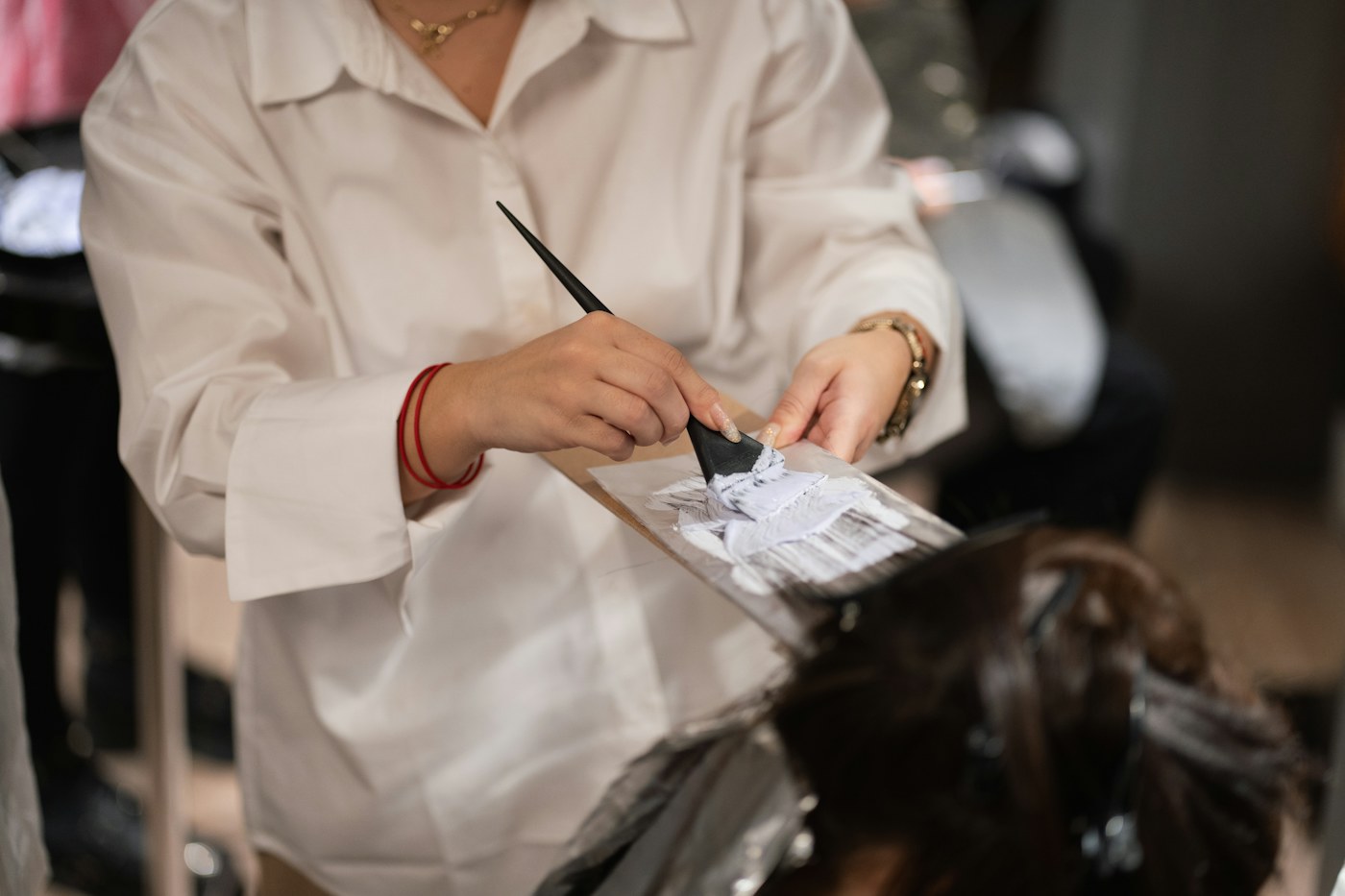
Coverage can be matched to the amount and location of thinning.
Depending on the area involved, women may consider toppers, full wigs, custom systems or a scalp prosthesis. The goal is to make color, density, texture, movement and maintenance feel appropriate for the individual, not to force everyone into the same product.