
A hairline that looks like you.
A customized result starts with your hair pattern, desired density, everyday routine, and the maintenance you can comfortably keep up with.

Made to blend into everyday life.
We offer men’s non-surgical hair replacement, including custom hair systems and CRLAB CNC. A consultation can cover the hairline, color, texture, attachment, comfort, cut-in, and follow-up visits.
Ask to see which systems are appropriate for your degree of loss and how different solutions behave between maintenance appointments.
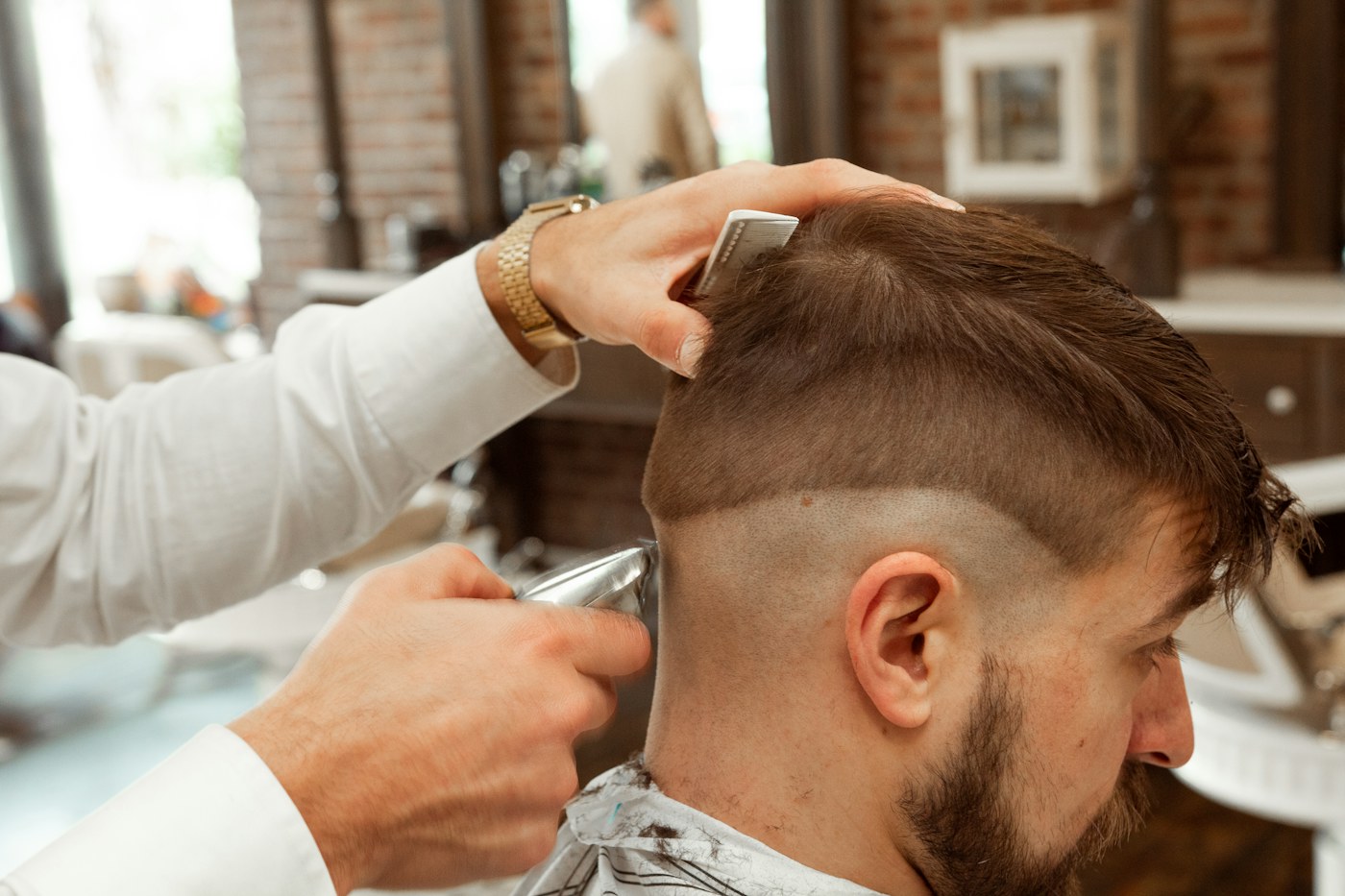
Understand CRLAB CNC →Illustrative photograph.
Questions worth asking before you choose.
What will it look like?
Hairline design, color, density, texture and cut all affect how a system blends with your own hair.
How will it feel?
Discuss the base, attachment method, scalp comfort, and how the system fits your daily activity.
What does upkeep involve?
Ask about cleaning, reattachment, replacement timing and the likely cost of regular maintenance.
Design the hairline and the service plan together
A men’s hair system is a cosmetic way to cover an area of loss. The look depends on placement, density, color and the cut; comfort and upkeep determine whether it works day to day.
Who may explore a system
If you want partial or more extensive non-surgical coverage, compare an ordinary system with a CRLAB option and ask what can blend with your remaining hair.
Read the guide →What can be customized
Discuss hairline shape, base size and material, color, wave, density and cut-in. Ask to see the edge and blend under everyday lighting.
Read the guide →Comfort and activity
Clarify the wear and attachment method, removal, scalp care and what exercise, swimming, sleep and travel mean for the selected piece.
Read the guide →From questions to a fit plan
Begin with your goals and routine, then compare design choices and the fitting process. Ask who performs the cut-in, what happens if the fit or hairline needs changing, and what maintenance visits involve.
Care and cost factors
Compare the initial system and styling with reattachment or cleaning visits, supplies, repairs and replacement. Request an estimate for both starting and ongoing costs. A cosmetic system does not treat the cause of loss.
Questions to bring
Will the system look like my own hair?
The goal is a considered blend, but appearance depends on the design, fit and styling of the individual piece. Ask to evaluate realistic examples in person.
How often do I return?
The interval depends on the selected system, attachment, scalp and routine. Confirm a plan with the studio before choosing.
Product fit and cosmetic coverage are separate from medical diagnosis or treatment.
Begin with a private conversation.
We can help you compare real options without guessing what you need from a webpage.
Pattern loss is common, but not every change should be assumed to be hereditary.
Male pattern hair loss often develops gradually as a receding hairline, thinning crown or both. Other causes can include excessive shedding, alopecia areata, scarring disorders, medication effects and underlying health issues. A dermatologist can help determine what is causing the change.
A believable system usually avoids an overly dense, overly straight or age-inappropriate front hairline.
Matching the remaining hair can matter more than simply adding maximum density.
Breathability, durability, skin sensitivity, lifestyle and service schedule all influence the choice.
Ask how often the system must be cleaned, serviced, reattached or replaced before deciding.
Regrowth treatment and hair replacement solve different problems.
Medical treatment aims to address a diagnosed hair-loss condition or slow progression when appropriate. Non-surgical hair replacement creates immediate cosmetic coverage. Some people use one approach, some use both, and some choose coverage without pursuing regrowth treatment.